Hong Kong Just Put Hyperliquid on Its Suspicious Crypto Platform List — Here's What Investors Need to Know
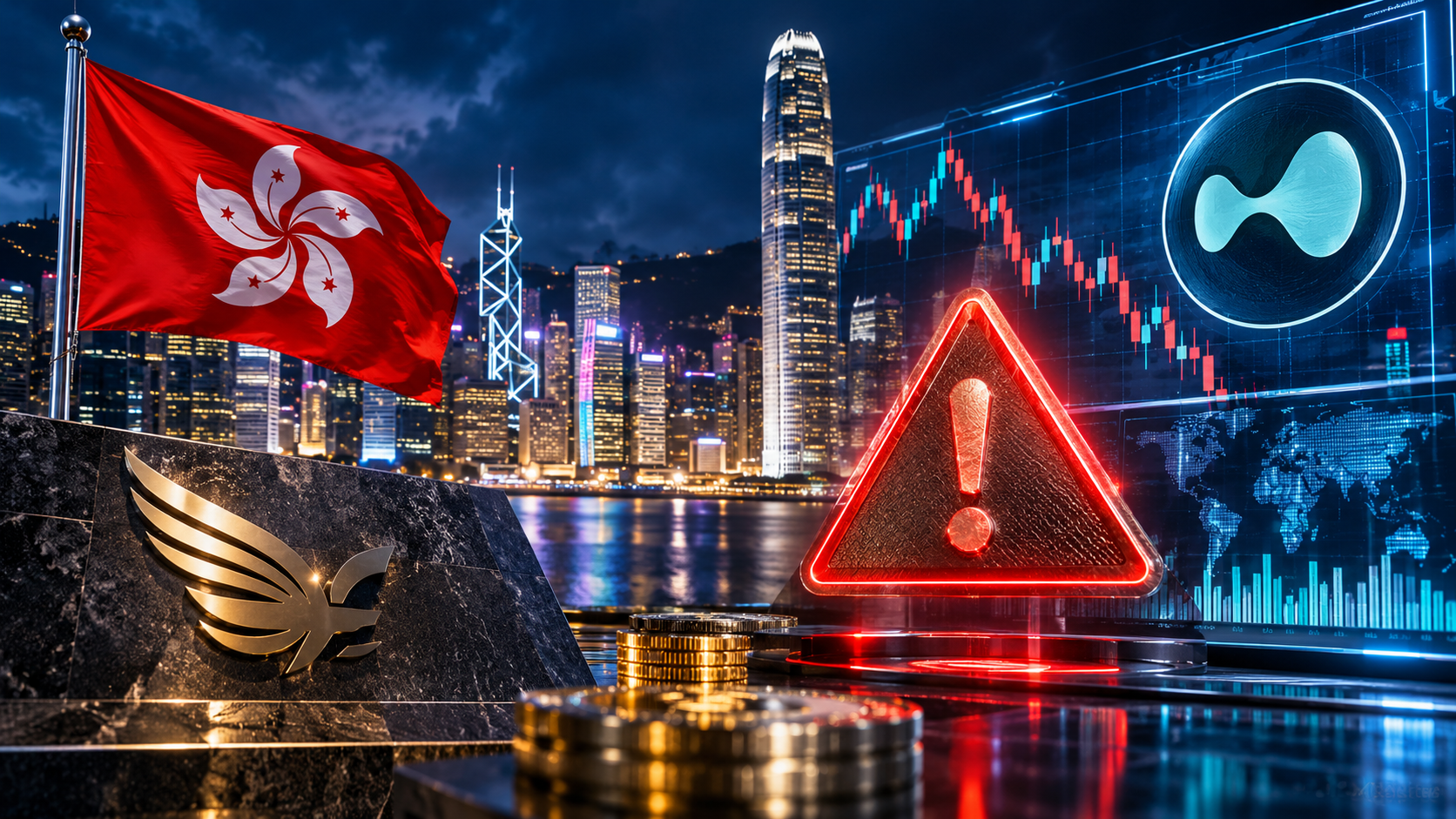
Hong Kong has taken a significant regulatory step against one of the cryptocurrency industry's best-known decentralized trading platforms. The Securities and Futures Commission (SFC) has added Hyperliquid and Hyperliquid Hong Kong to its official list of suspicious virtual asset trading platforms, putting the platform under the spotlight of the city's financial watchdog.
The development was recorded on November 18, 2026, according to the regulator's official website. The SFC says the entity is not licensed by the commission and is suspected of operating, claiming to operate, or actively marketing virtual asset trading services to the Hong Kong public without the required authorisation.
The announcement is particularly significant because it brings a major decentralized finance (DeFi) name into a regulatory discussion that has largely focused on how crypto trading platforms should operate under local licensing requirements.
For Hyperliquid, the warning raises an important question: how will decentralized trading platforms navigate increasingly strict financial regulations across major international markets?
Hyperliquid Added to Hong Kong's Official Warning List
The Hong Kong SFC published the entry under its category for suspicious virtual asset trading platforms.
The listing identifies the name as Hyperliquid / Hyperliquid Hong Kong and points to the trading website, app.hyperliquid.xyz/trade.
The regulator's remarks make two important points. First, the entity is not licensed by the SFC. Second, it is suspected of operating or presenting itself as operating a virtual asset trading platform in Hong Kong and/or actively promoting its services to the Hong Kong public.
The listing carries an initial publication date of November 18, 2026.
This is not simply a general reminder about cryptocurrency risks. The regulator has specifically identified the platform by name and placed it in a category intended to alert the public to potentially suspicious virtual asset trading services.
However, the distinction matters: being included on the warning list is not the same as a court finding that a company has committed fraud or that every transaction on the platform is illegal.
Why Is Hong Kong's SFC Taking Notice of Hyperliquid?
Hong Kong has been working to establish a regulated cryptocurrency market while maintaining its position as an international financial centre.
Under its virtual asset trading platform framework, businesses operating crypto trading platforms in Hong Kong, or actively marketing their services to Hong Kong investors, may be required to obtain regulatory approval.
The SFC maintains separate lists covering licensed trading platforms, applicants and suspicious platforms. These lists help investors understand the regulatory status of businesses offering cryptocurrency trading services.
Hyperliquid's appearance on the suspicious platform list highlights the regulator's concerns about its licensing status and alleged connection to the Hong Kong market.
The key issue is not simply whether a platform uses blockchain technology or describes itself as decentralized. Regulators also examine the nature of the services being offered, the activities taking place and whether those activities fall within local financial regulations.
That distinction is becoming increasingly important as decentralized finance expands beyond its original cryptocurrency-native audience.
What Is Hyperliquid and Why Does It Matter to Crypto Traders?
Hyperliquid is a decentralized cryptocurrency trading ecosystem known for its on-chain trading infrastructure and perpetual futures markets.
Unlike traditional centralized exchanges, decentralized trading platforms are designed to use blockchain-based infrastructure to facilitate trading and other financial activities.
This model has attracted traders interested in accessing crypto markets through decentralized applications rather than relying entirely on conventional exchange operators.
However, decentralization does not automatically remove regulatory questions.
Authorities may still examine how a platform is structured, who operates or controls important parts of its services, which customers it targets and whether its activities require authorisation in a particular jurisdiction.
That is why the Hong Kong development could attract attention beyond Hyperliquid itself. Other DeFi projects and decentralized exchanges may also need to consider how local regulations apply to their business models.
What Does the SFC Warning Mean for Hyperliquid Users?
For investors and traders, the most immediate takeaway is that Hyperliquid is not listed as an SFC-licensed virtual asset trading platform under the regulator's current warning.
The SFC has repeatedly warned investors about the risks of dealing with unregulated virtual asset trading platforms.
According to the regulator, customers using unregulated platforms could potentially lose their entire investment if a platform shuts down, collapses, suffers a cyberattack or experiences misappropriation of assets.
The regulator also warns that seeking legal remedies against platforms without a sufficient connection to Hong Kong can be difficult.
This does not establish that Hyperliquid has suffered any of these problems. Instead, it highlights the risks investors should understand when using platforms that are not supervised by the local regulator.
Investors should therefore avoid treating the warning as something to ignore simply because a platform operates through decentralized technology.
Is Hyperliquid Banned in Hong Kong?
The SFC's announcement should not be confused with a formal court-ordered ban or a declaration that the platform has been proven to be fraudulent.
What the regulator has officially stated is that the entity is not licensed by the SFC and is suspected of operating or claiming to operate a virtual asset trading platform in Hong Kong, and/or actively marketing its services to the Hong Kong public.
The warning is intended to alert the public to the platform's regulatory status.
The practical implications for users, particularly those located in Hong Kong, should be considered carefully. Investors should check the regulator's latest guidance and licensing records rather than assume that a platform is authorised simply because it is accessible online.
A Bigger Challenge for Decentralized Crypto Exchanges
The Hyperliquid development comes amid a wider debate about how governments should regulate decentralized finance.
Crypto platforms increasingly operate across borders, making it difficult to apply traditional financial regulations to services that may rely on blockchain infrastructure, distributed technology and globally accessible applications.
But regulators are increasingly making one thing clear: offering financial services through decentralized technology does not automatically place a business outside the reach of financial regulation.
For decentralized exchanges, this creates a complicated balancing act.
They must continue developing permissionless financial infrastructure while navigating different legal requirements across countries and regions.
Hong Kong's action against Hyperliquid could therefore become an important reference point in the ongoing discussion about how DeFi platforms interact with traditional financial regulators.
What Happens Next?
The next important development will be whether Hyperliquid or any associated entity publicly responds to the SFC listing or provides further clarification regarding its regulatory position in Hong Kong.
The regulator's alert list can also be updated as circumstances change, making it important for investors to monitor official announcements rather than rely on social media speculation.
For now, the November 18 listing is a clear reminder that regulatory scrutiny of decentralized cryptocurrency platforms is expanding.
Hyperliquid's inclusion does not establish a finding of fraud, but it does put its Hong Kong licensing position under an official regulatory spotlight.
As governments continue tightening oversight of digital asset markets, decentralized exchanges may discover that building successful blockchain technology is only one part of the challenge. Navigating international financial regulations could prove just as important.
Frequently Asked Questions
Why did Hong Kong add Hyperliquid to its warning list?
The SFC stated that Hyperliquid and Hyperliquid Hong Kong are not licensed by the commission and are suspected of operating or claiming to operate a virtual asset trading platform in Hong Kong and/or actively marketing services to the Hong Kong public.
When was Hyperliquid added to the SFC alert list?
The official listing shows November 18, 2026, as its initial publication date.
Is Hyperliquid officially licensed in Hong Kong?
According to the SFC's listing, the identified entity is not licensed by the commission.
Does the warning mean Hyperliquid is a scam?
No. The warning is a regulatory alert about licensing and suspected activities. It is not, by itself, a judicial finding of fraud.
What risks does the SFC associate with unregulated crypto platforms?
The regulator warns that investors could lose their entire investment if an unregulated platform collapses, shuts down, gets hacked or suffers misappropriation of assets.
Where can investors check the official warning?
Investors can visit the Hong Kong Securities and Futures Commission's official website and review its Suspicious Virtual Asset Trading Platforms alert list.
The Bottom Line
Hong Kong's SFC has added Hyperliquid and Hyperliquid Hong Kong to its suspicious virtual asset trading platform list, citing the platform's unlicensed status.
The warning is not a fraud finding, but it highlights the growing regulatory scrutiny of decentralized exchanges.
Investors are urged to check official licensing records and understand the risks of using unregulated platforms.
Hyperliquid's case could become an important reference point for how DeFi platforms navigate international financial regulations.
About CoinAINews
CoinAINews Editorial Team covers cryptocurrency regulation, blockchain technology, digital asset markets, traditional finance, and developments shaping the global tech industry.
Disclaimer: This article is for informational purposes only and does not constitute financial or investment advice. Being on a regulatory warning list is not the same as a legal finding of fraud.
Source: Hong Kong Securities and Futures Commission (SFC).